If your tank pops and crackles when it heats, you are hearing water boil under a layer of sediment. Flushing it out is one of the simplest things you can do for a tank heater.
Why sediment builds up
Hard water carries calcium and magnesium. Heat pulls those minerals out of the water, and they settle on the tank floor. On a gas tank they sit between the flame and the water, so the burner runs longer and the tank bottom runs hotter. On an electric tank they bury the lower element until it burns out.
How a flush is done
- Power or gas is turned off and the tank cools down for safety.
- A hose is attached to the drain valve and run outside or to a floor drain.
- The tank drains while cold water is pulsed in to stir up the sediment.
- The plumber watches until the water runs clear, then refills and restarts the heater.
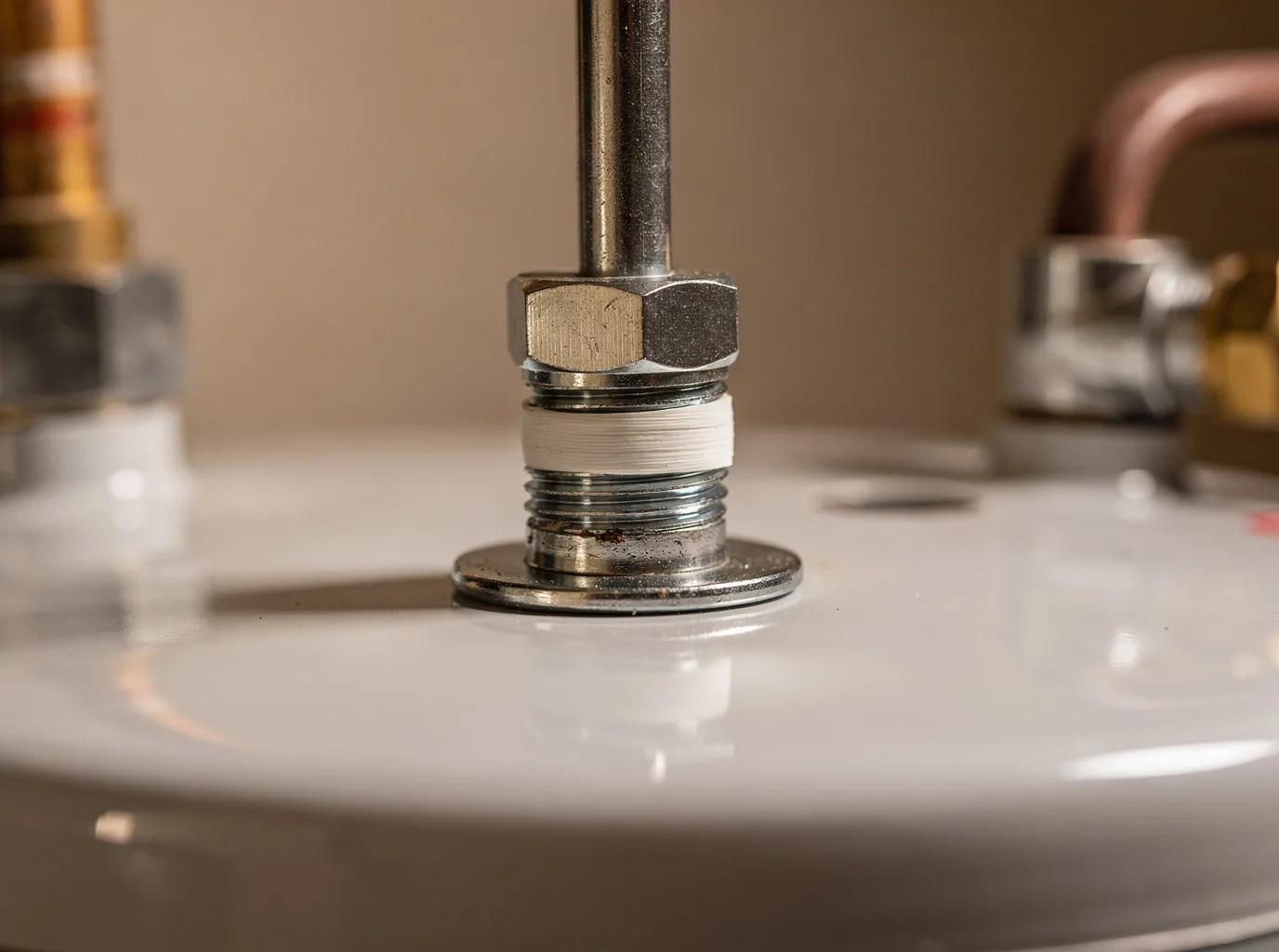
Old plastic drain valves sometimes clog or break during a flush. Many plumbers suggest a brass ball valve in its place, which drains better the next time.
How often to flush
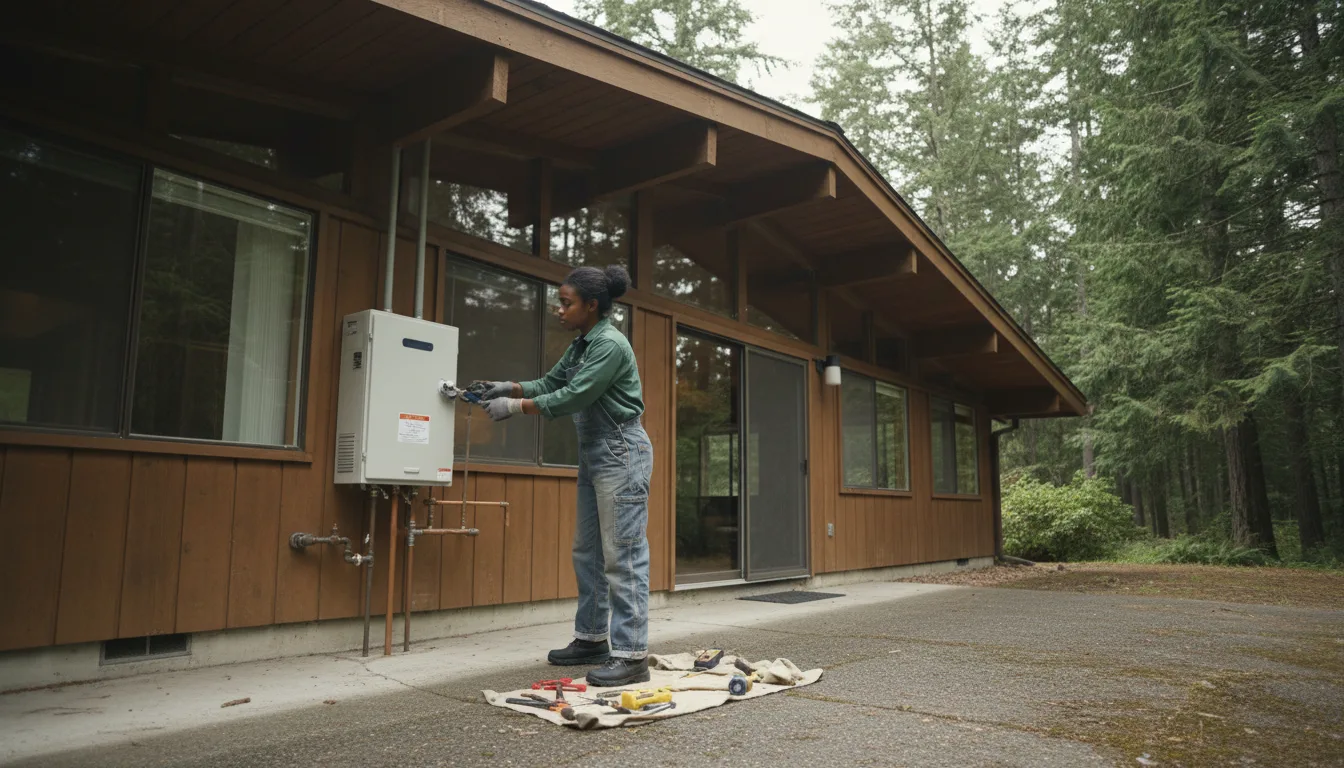
An annual flush suits most homes. Very hard water, or a household that uses a lot of hot water, may call for a flush every six months. Tankless units need a descale instead, which runs a mild acid solution through the heat exchanger.
Call the number on this page to have Sunvale Plumbing book a flush with an independent plumber in Java, SD.